
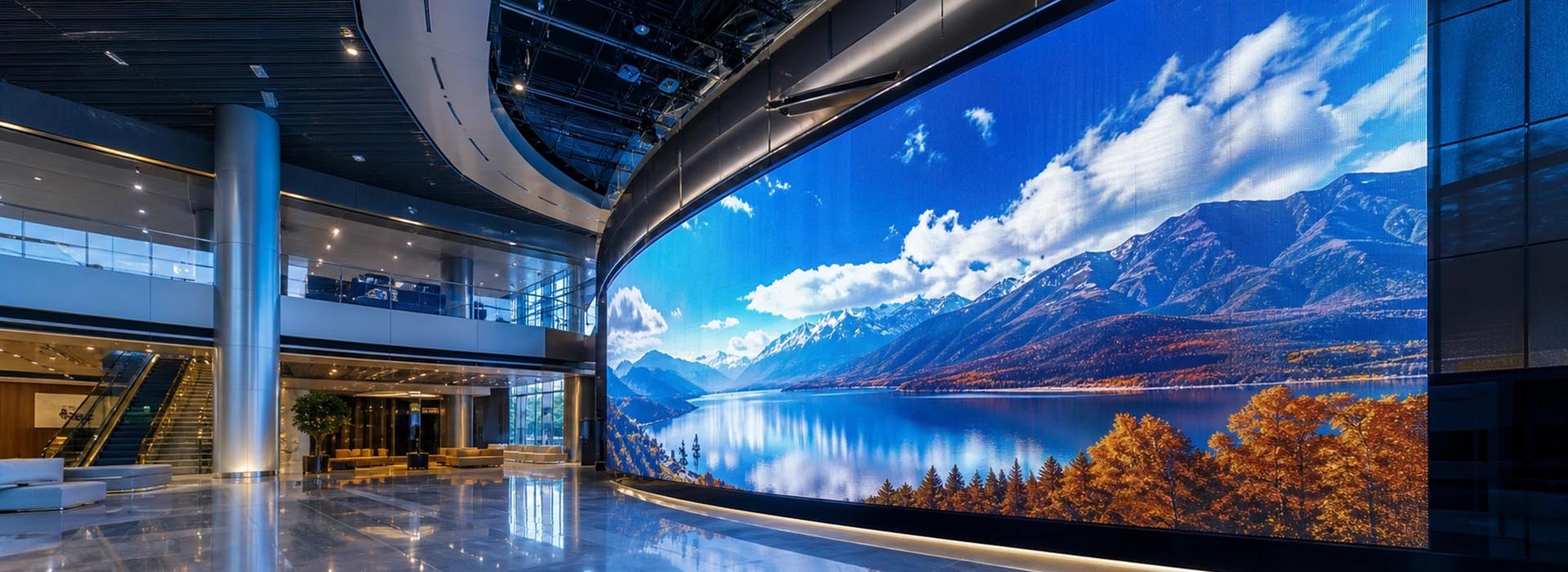
Outdoor LED screens installed on commercial buildings face two important challenges: maintaining clear visibility under direct sunlight and preserving the appearance of the building facade. Traditional solid LED screens can provide bright images, but they may block natural light and affect the visual openness of the structure. A fixed outdoor transparent LED display addresses these concerns by combining high brightness with an open mesh design. With brightness exceeding 7,000 nits, the XINTAI P3.91-7.8 model delivers visible advertising content while allowing daylight to pass through the screen.
Why Does 7000 Nits Brightness Matter for Outdoor LED Displays?
Outdoor advertising screens must compete with changing natural light throughout the day. In particular, direct sunlight can reduce image contrast and make promotional content difficult to read. Therefore, brightness plays an important role in determining whether an LED screen can maintain visibility in outdoor environments. A brightness level above 7,000 nits helps the display produce vivid images and recognizable messages in bright daylight. As a result, businesses can present advertising videos, graphics, and promotional information without relying entirely on evening or nighttime viewing conditions. This makes a high-brightness transparent LED screen suitable for commercial facades, shopping centers, and other outdoor advertising locations.
However, brightness alone does not determine overall display quality. Pixel pitch, viewing distance, content design, and the surrounding lighting environment also influence the viewing experience. For this reason, project planners should consider these factors together when selecting an outdoor display.
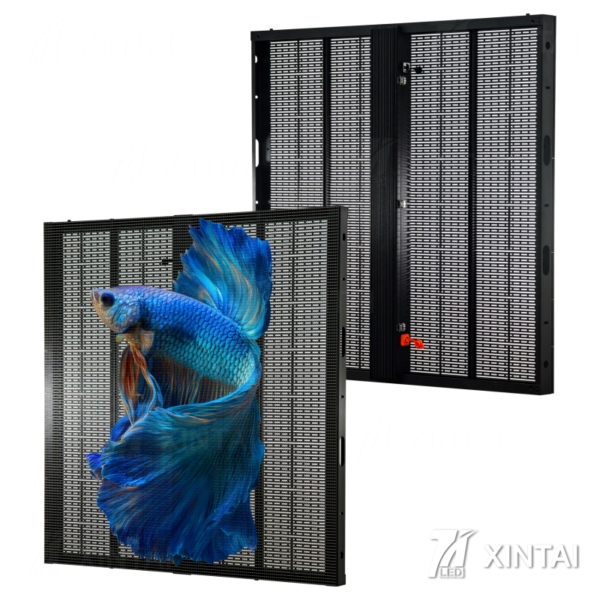
How Does a Transparent Structure Preserve Natural Light?
Unlike conventional LED panels with solid display surfaces, transparent screens use an open structure that leaves spaces between LED strips. This design allows natural light to pass through the screen and helps maintain visibility behind the installation. Consequently, building owners can introduce digital advertising without completely covering windows or changing the facade into a solid visual barrier. An outdoor transparent LED display can therefore serve both advertising and architectural purposes. For example, shopping centers can install screens across glass facades while retaining some natural daylight inside the building. Meanwhile, pedestrians can view digital content from outside, creating an additional communication channel without fully blocking the building’s appearance.
The balance between transparency and image visibility depends on the screen structure and installation conditions. Before choosing a model, consider the following factors:
Open-area design: A more open structure allows more natural light to pass through, although it may affect the visual density of displayed content.
Brightness level: Higher brightness helps maintain visibility in daylight, especially on facades exposed to direct sunlight.
Viewing distance: The required pixel pitch should match the distance between the display and its main audience.
Installation position: Window layouts, building orientation, and surrounding structures can influence both transparency and viewing angles.
What Makes a Transparent LED Screen Suitable for Fixed Outdoor Installation?
A fixed installation requires more than a suitable display effect. The screen must also match the building structure, mounting conditions, and local outdoor environment. A fixed outdoor transparent LED display with aluminum cabinets provides a modular arrangement for permanent facade projects. Installers can combine individual cabinets to create the required screen dimensions and coordinate the mounting structure with the available installation space.
The XINTAI P3.91-7.8 model supports several cabinet sizes, giving project teams flexibility when planning different facade layouts. The available dimensions include:
| Cabinet Size | Typical Project Consideration |
|---|---|
| 1000 × 1000 mm | Suitable for larger modular screen sections |
| 1000 × 500 mm | Offers flexibility for varied facade dimensions |
| 1500 × 1000 mm | Supports larger cabinet arrangements |
In addition to standard sizes, customized configurations can help accommodate special building dimensions. For projects involving curved surfaces, customized curved layouts allow the screen to follow the architectural shape more closely. Therefore, sharing facade drawings, installation dimensions, and curvature requirements during the planning stage can help determine a suitable cabinet arrangement.
How Important Is Waterproof Protection for Outdoor Transparent LED Displays?
Outdoor screens are exposed to rain, humidity, dust, and changing weather conditions. Therefore, waterproof protection is an important consideration when selecting an LED display for permanent outdoor use. A suitable installation plan should also account for drainage, cable connections, cabinet joints, and mounting positions to reduce potential environmental risks.
When researching a waterproof transparent LED display IP65, buyers should verify the actual protection rating of the specific model rather than relying on a general product description or keyword. The supplied P3.91-7.8 product information confirms waterproof design for outdoor installation, but does not specify an IP65 rating. Consequently, project teams should request the relevant technical documentation before making an IP65-related specification or compliance decision.
Moreover, proper installation and routine inspection help support long-term operation. For example, checking cable connections and drainage arrangements can help identify potential issues before they affect the display. These practical measures are especially important for large facade projects where maintenance access may be limited.
Where Can Outdoor Transparent LED Displays Be Used?
Because transparent screens combine digital content with an open structure, they can support different types of commercial and architectural projects. Their applications are not limited to conventional advertising boards. Instead, they can provide additional display space while helping preserve the visual characteristics of the building.
Common applications include:
Commercial building facades: Display brand messages and promotional videos across exterior glass surfaces.
Shopping center advertising: Attract visitors with dynamic content while allowing daylight to enter through suitable facade areas.
Retail and showroom signage: Present product information and brand campaigns without creating a completely solid visual barrier.
Architectural media displays: Combine digital content with the design of modern commercial buildings.
Curved facade installations: Follow selected curved building surfaces through customized cabinet arrangements.
A transparent outdoor LED display is particularly useful when a project needs both advertising visibility and architectural integration. Nevertheless, the final configuration should reflect the building’s structure, viewing distance, daylight conditions, and installation requirements.

How to Choose the Right Configuration for a Facade Project
Selecting an outdoor screen involves balancing several requirements rather than focusing on one specification. For instance, a display with high brightness may suit a sun-exposed facade, while a project with large glass areas may place greater emphasis on transparency. Similarly, cabinet dimensions and curved configurations should match the building’s physical layout.
Before confirming a screen configuration, consider these key questions:
How much daylight does the facade receive? Assess the building orientation and direct sunlight exposure to determine the required brightness.
How much transparency does the project need? Evaluate the balance between natural light transmission and the visibility of advertising content.
What cabinet arrangement fits the building? Compare standard cabinet sizes with customized dimensions and curved layouts.
What outdoor protection is required? Confirm the product’s documented waterproof rating and review the local installation environment.
How will the screen be maintained? Plan access to mounting points, cables, and other components before installation.
By reviewing these factors together, project owners can select a configuration that meets both display and architectural requirements. In addition, early coordination between the display provider, installer, and building team can reduce design changes during construction.
Conclusion
Outdoor transparent LED technology offers a practical way to introduce digital advertising into commercial architecture. Brightness above 7,000 nits helps maintain daytime visibility, while the open mesh structure allows natural light to pass through and preserves part of the building’s visual openness. A fixed outdoor transparent LED display with modular aluminum cabinets, multiple size options, and customized curved layouts can accommodate a range of permanent facade projects.
For businesses planning shopping center advertising, commercial building displays, or architectural media installations, the XINTAI P3.91-7.8 model provides a combination of high brightness and flexible installation options. By evaluating brightness, transparency, cabinet dimensions, waterproof protection, and maintenance access together, project teams can develop a display configuration that suits the building and its intended use.